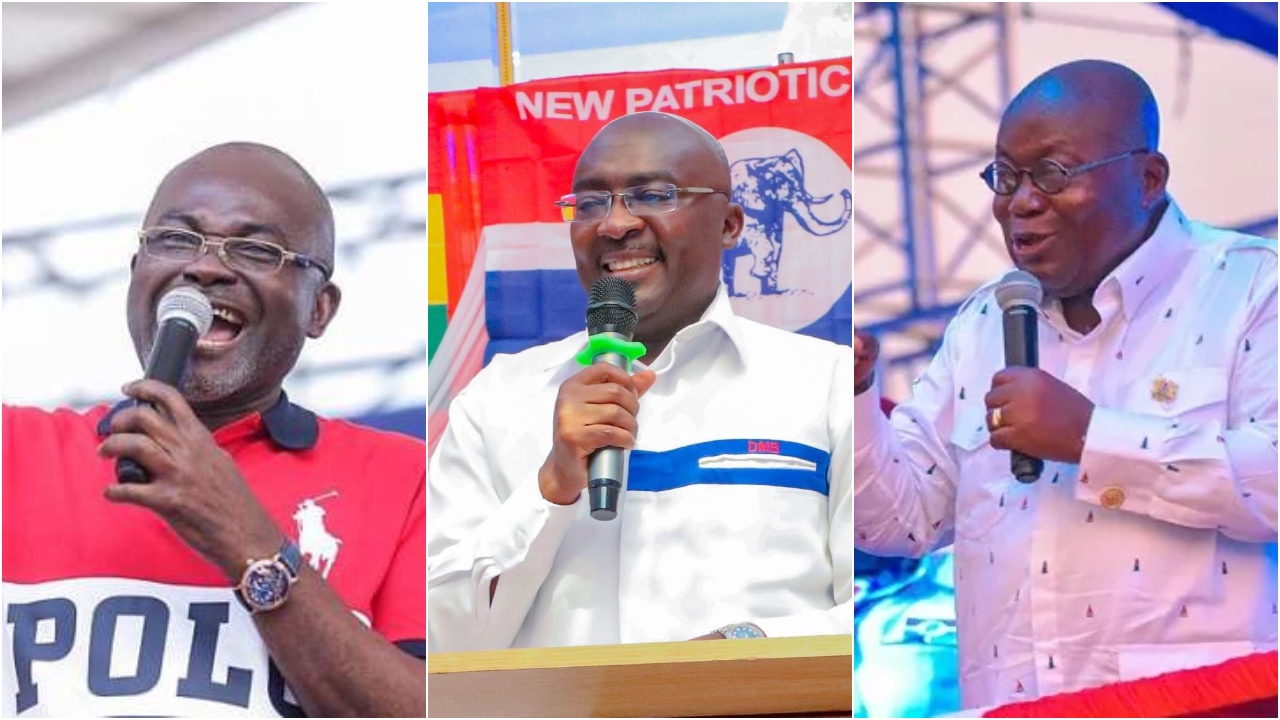
The New Patriotic Party’s (NPP) eight-year tenure in government has left a legacy marked by profound shortcomings. While extended periods of incumbency allow ruling parties to implement policy initiatives, consolidate institutional structures, and pursue long-term national strategies, they also expose governments to heightened public scrutiny and electoral vulnerability. Ghana’s 2024 general elections demonstrated that prolonged rule, if accompanied by economic mismanagement or public dissatisfaction, can erode a party’s political capital and complicate its path to reclaim power.
The Eight-Year Rule and Shortcomings
During its tenure, the NPP advanced several policy initiatives aimed at improving infrastructure, energy, education, and digital governance. The administration sought to strengthen macroeconomic stability, stimulate private sector-led growth, and enhance public service delivery. However, its efforts were overshadowed by economic challenges and policy inconsistencies that weighed heavily on Ghanaian electorates.
Economic hardship emerged as a defining issue during the latter part of the NPP’s rule. Rising inflation, currency depreciation, and increased cost of living placed a heavy burden on ordinary Ghanaians. Controversial fiscal measures, including the implementation of the Electronic Transaction Levy (E-levy), sparked widespread public criticism. While intended to broaden revenue streams and stabilize government finances, the E-levy was seen as regressive, disproportionately affecting low- and middle-income citizens, dampening consumer spending, and fueling public resentment.
Equally significant were the investment haircuts imposed on certain corporate and financial stakeholders, which undermined investor confidence and exposed structural weaknesses in public financial management. These measures, combined with rising public debt and inadequate social interventions, contributed to the electorate’s dissatisfaction and were reflected in the 2024 electoral outcome.
The eight-year tenure also highlighted the fragility of internal party cohesion. While the NPP successfully delivered some development projects, internal dissent and factionalism became increasingly visible. Differing ideological perspectives, personality rivalries, and competition for control over key party structures created tension that weakened the party’s unity, limiting its ability to present a coherent narrative to voters during the 2024 elections.
Messaging and Campaign Failures in the Presidential Primary Election
Following the electoral defeat, the NPP faced a critical challenge: how to communicate effectively in the January 2026 flagbearer selection process. Messaging during this period became problematic for several reasons:
Defensive Posture: Emerging from defeat, the flagbearer hopefuls struggled to articulate a forward-looking vision to their internal voters. Much of their communication focused on defending personal past contributions to the party rather than presenting innovative strategies to address ongoing economic and social challenges when given the opportunity.
Disconnect with Grassroots Sentiment: The flagbearer campaigns did not fully resonate with grassroots members, many of whom expected introspection and candid acknowledgment of the economic hardships, controversial fiscal measures, and policy failures that contributed to the 2024 loss. The failure to address these concerns risked alienating the party’s foundational base at a critical moment.
Overemphasis on Legacy: Campaigns heavily emphasized achievements from the NPP’s eight-year rule. While this underscored experience and competence among some of the presidential candidate hopefuls, it often appeared reactive rather than visionary, failing to inspire confidence that the party could correct past economic missteps and deliver meaningful relief to Ghanaians when given the chance.
Factionalism and Personality Politics: Internal rivalries among aspirants further complicated campaign messaging. The perception that the election centered more on personal ambitions than national leadership undermined the narrative of renewal and strategic cohesion, leaving voters skeptical of the party’s readiness to govern effectively.
The Quest for Power in 2028
As the NPP prepares for the 2028 elections, it faces a dual challenge: rebuilding internal party structures and reconnecting with an electorate acutely aware of economic and governance realities. Lessons from the 2024 defeat and the 2026 flagbearer campaigns must guide strategic planning.
Institutional Renewal: Success in 2028 will depend on a reform-driven executive and party machinery capable of effective coordination, discipline, and grassroots mobilization. The flagbearer’s influence must complement, not overshadow, these reforms. Strengthening institutional capacity will be critical to prevent the recurrence of mismanagement and factionalism that eroded confidence during the last term in power.
Clear and Forward-Looking Messaging: The party must balance acknowledgment of past failures with practical solutions to economic challenges. This includes addressing inflation, cost of living pressures, investor confidence, and the controversies surrounding fiscal policies such as the E-levy and investment haircuts, which negatively affected Ghanaian investors. Messaging must inspire confidence, emphasize policy innovation, and communicate a credible vision for economic and social renewal, contrasting effectively with the achievements of the National Democratic Congress and other parties.
Unity and Cohesion: The 2028 campaign will demand internal cohesion. Factionalism, if unaddressed, risks repeating previous mistakes and alienating both grassroots supporters and strategic stakeholders critical to mobilization and credibility.
Public Accountability: Voters increasingly reward transparency and accountability. The party must acknowledge its economic missteps, offer a clear path to policy correction, and demonstrate responsiveness to citizen concerns. This is particularly vital given the lingering public memory of hardships, fiscal controversies, and governance inconsistencies during the NPP’s eight-year rule.
Conclusion
The NPP’s eight-year rule offers both a foundation and a cautionary tale. While the party promised initiatives such as Free SHS and One District-One-Factory, their implementation and legacy are marred by economic hardships, controversial fiscal measures such as the E-levy and investment haircuts, and policy inconsistencies. The messaging in the January 2026 flagbearer election revealed vulnerabilities in connecting with internal grassroots members and projecting a forward-looking, responsive vision.
As the NPP positions itself for 2028, the quest for power cannot rely solely on past achievements or the personal appeal of candidates. Sustainable electoral success will require institutional renewal, coherent and forward-looking messaging, unity, and responsiveness to economic realities and public expectations. Only by confronting past failures and addressing both internal weaknesses and external perceptions can the party realistically dream of reclaiming political leadership in a competitive democratic landscape.
By Moses A. Katamani
Author & Student of Political Science
Email: infokambel@gmail.com
Website: www.kambekconsult.com