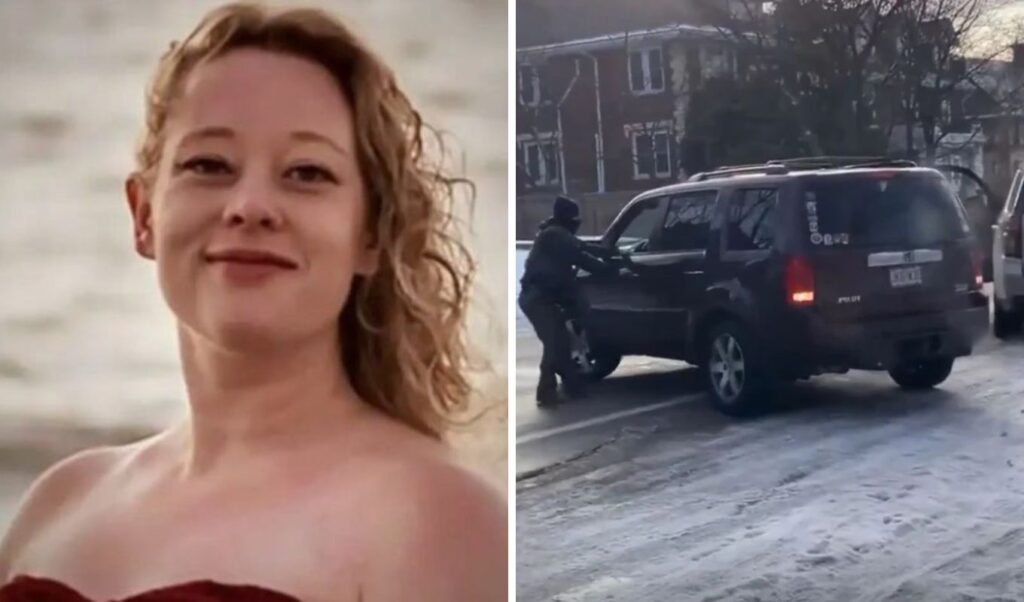
The fatal shooting of a 37-year-old woman in Minneapolis by a federal immigration enforcement officer has ignited a sharp political dispute, raising broader questions about the use of force by law enforcement agencies, public accountability, and the politicization of tragedy.
House Minority Leader Hakeem Jeffries has emerged as one of the most vocal critics of the Department of Homeland Security’s response to the incident, directly challenging statements made by Homeland Security Secretary Kristi Noem. In an interview with NewsNation, Jeffries argued that no publicly available evidence has yet justified the shooting of an unarmed civilian and questioned the credibility of official explanations offered thus far.
Jeffries called for a full criminal investigation into the actions of the ICE agent involved, emphasizing that federal officers are not above the law and must be held to the same legal standards as any other individual when lethal force results in the death of a U.S. citizen. His remarks reflect growing Democratic concerns about transparency, internal accountability within immigration enforcement agencies, and what they view as an expanding culture of impunity.
The victim, identified as Renee Good, was reportedly attempting to maneuver her vehicle during an encounter involving masked federal agents. Video footage circulating on social media has intensified public scrutiny, though authorities have cautioned that online clips may not capture the full context of the incident. Nevertheless, the visual evidence has fueled widespread debate about whether the use of deadly force was warranted.
Compounding the controversy are statements attributed to former President Donald Trump and Secretary Noem, who described the victim in terms suggesting hostile or extremist intent. Critics argue that such characterizations were made prematurely and without substantiated evidence, contributing to public distrust and deepening partisan divisions. Supporters of the administration, however, maintain that federal agents operate under dangerous conditions and must make rapid decisions in volatile situations.
Family members of the victim have strongly rejected claims portraying her as a threat. Her mother described her as compassionate and community-oriented, stating that fear and confusion likely shaped her actions during the encounter. These personal accounts have resonated with civil rights advocates, who argue that narratives emerging from official channels risk dehumanizing victims before investigations are complete.
At a broader level, the incident underscores enduring tensions in U.S. politics over immigration enforcement, policing tactics, and the balance between national security and civil liberties. It also highlights how rapidly such events become politicized, with competing narratives shaping public opinion long before legal or investigative conclusions are reached.
As investigations proceed, the case is likely to remain a flashpoint in debates over federal law enforcement oversight, the limits of executive rhetoric, and the responsibility of public officials to avoid prejudging individuals involved in fatal encounters.
News Analysis By Moses A. Katamani
Email: infomoskambel@gmail.com
Website: www.kambelconsult.com