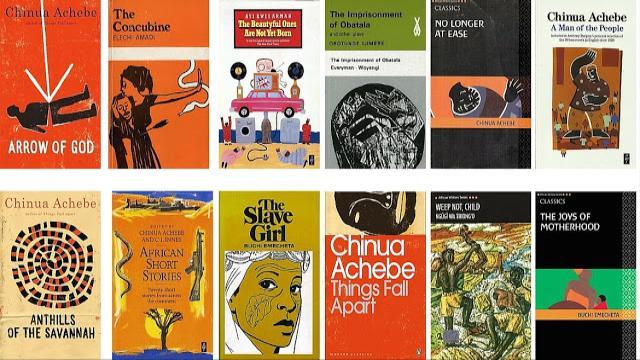
The Africa Literary Personality series is conceived as a deliberate, structured, and intellectually grounded initiative to celebrate, document, and critically engage with African literary personalities whose works have shaped the continent’s cultural, intellectual, and moral landscapes. Recognizing literature not merely as an artistic expression but as a powerful social force, the series transcends literary appreciation to examine the values, philosophies, and societal contributions embedded in African writing across generations. Through a carefully designed format, the program offers audiences a comprehensive and enduring understanding of African literary excellence and its continued relevance in a changing world.
At the core of the program is a series-based structure composed of individual episodes, each dedicated to one African literary personality. Every episode functions as a self-contained yet interconnected exploration of a writer’s life, works, and legacy, unified under the broader vision of the series. While flexible in scope, the program is designed as a twelve-episode series, adopting a one-personality-per-month model. This approach ensures sustained engagement throughout the year while allowing sufficient time for depth, reflection, and scholarly treatment of each featured writer. Episodes may be presented as 20–30 minute video or audio productions or as written features of approximately three to five pages hosted on the website. The central objective of each episode is not simply to catalogue literary works, but to foreground the writer’s values, cultural influence, philosophical outlook, and contribution to African and global thought.
To ensure consistency, depth, and intellectual rigor, each episode follows a clearly defined thematic structure. Every literary personality is examined through a minimum of ten analytical lenses, allowing for a multidimensional and balanced portrayal. Episodes open with a discussion of biography and historical context, situating the writer within their social, political, and cultural environment. This is followed by an examination of literary contributions, highlighting major works such as novels, plays, poems, or essays, alongside significant achievements and milestones. Attention is then given to themes and style, analyzing recurring motifs, narrative techniques, language choices, and cultural influences that shape the writer’s distinctive voice.
Beyond aesthetics and technique, the series places strong emphasis on values and philosophy, interrogating the ethical, social, and cultural principles reflected in each writer’s body of work. The discussion extends to impact and legacy, assessing the writer’s influence on African literature, education, governance, social movements, and global literary traditions. Acknowledging that African literary production has often occurred under political, social, or ideological pressure, episodes also examine challenges and resistance, including censorship, exile, persecution, or institutional opposition faced by the writer. Carefully selected quotes and excerpts are incorporated to allow the writer’s own voice to illuminate their ideas and stylistic power. Each episode further reflects on contemporary relevance, demonstrating how the writer’s works continue to speak to present-day social, cultural, and political realities. Finally, honors and recognition are documented, alongside references and citations that ground each episode in credible scholarly sources. In total, each episode is developed into no fewer than twelve paragraphs to ensure analytical depth, narrative coherence, and educational value.
For the 2026 honors edition, the Africa Literary Personality series features twelve eminent writers whose collective contributions reflect the diversity, richness, and intellectual depth of African literature. These include Chinua Achebe of Nigeria, whose pioneering fiction restored African cultural dignity and challenged colonial narratives; Ngũgĩ wa Thiong’o of Kenya, celebrated for his critique of linguistic imperialism and advocacy for African languages; and Wole Soyinka of Nigeria, whose dramatic works and fearless political activism earned him global recognition, including the Nobel Prize in Literature. Ghana’s Ama Ata Aidoo is honored for centering women’s voices and social critique, while Mariama Bâ of Senegal is recognized for her powerful feminist and educational narratives. Buchi Emecheta’s exploration of gender, migration, identity, and resilience further enriches the series.
The program also celebrates Léopold Sédar Senghor, whose poetry and philosophical leadership shaped the Négritude movement and redefined African cultural identity; Tsitsi Dangarembga, whose works interrogate youth, female identity, and postcolonial struggles; and Chimamanda Ngozi Adichie, a leading contemporary voice whose fiction and essays have elevated African perspectives in global literary and feminist discourse. Abdulrazak Gurnah’s exploration of diaspora, memory, displacement, and colonial legacies adds a vital East African and transnational dimension. Newly included personalities are Nadine Gordimer of South Africa, whose apartheid-era literature stands as a moral witness against injustice, and Ayi Kwei Armah of Ghana, whose post-independence critiques expose corruption, disillusionment, and moral decay in African societies.
In terms of presentation, the series adopts a flexible, multimedia-oriented approach to reach diverse audiences. Written episodes appear as dedicated webpages or feature articles, organized under clear and consistent subheadings. Audio and video formats may integrate narration, interviews, archival footage, and literary excerpts to enhance engagement and accessibility. Interactive elements—such as reflective questions, discussion prompts, or audience feedback segments—may also be incorporated to encourage critical thinking and participatory learning.
As an optional enhancement, the series may be thematically grouped to help audiences identify patterns and continuities within African literary history. Writers may be clustered under themes such as oral tradition and early modern pioneers, women’s voices and feminist perspectives, resistance and political consciousness, or global and diasporic experiences. While the series represents the overarching vision and structure of the program, each episode functions as a focused, in-depth exploration of one literary personality. Together, these episodes form a coherent, educative, and enduring whole.
In sum, Africa Literary Personality is both a celebration and an archive, a thoughtful, structured engagement with Africa’s literary minds. By honoring individual writers while situating them within broader historical, cultural, and thematic contexts, the series affirms the enduring power of African literature as a force for memory, critique, identity, and vision.
Author: Moses A. Katamani
Email: infomoskambel@gmail.com
Website: www.kambelconsult.com